Patient Portal

As a pet owner, you do everything possible to keep your furry companion healthy and happy. You provide nutritious food, regular exercise, and routine veterinary visits. However, one aspect of healthcare that is often overlooked is oral health. Healthy teeth and gums are about much more than fresh breath—they play a significant role in your pet’s overall well-being.
Dental disease is one of the most common medical conditions affecting dogs and cats. Unfortunately, many pets begin developing plaque and tartar buildup long before owners notice visible symptoms. Without proper care, oral bacteria can spread throughout the body and contribute to serious health problems.
Regular dental care helps prevent pain, infection, tooth loss, and other complications while improving your pet’s quality of life. By making oral health part of your pet’s wellness routine, you are investing in a healthier future. For pet owners in Idaho Falls, ID, proactive dental care is an important step toward helping pets enjoy longer, healthier lives.
Pet Dental Care Protects More Than Your Pet’s Smile
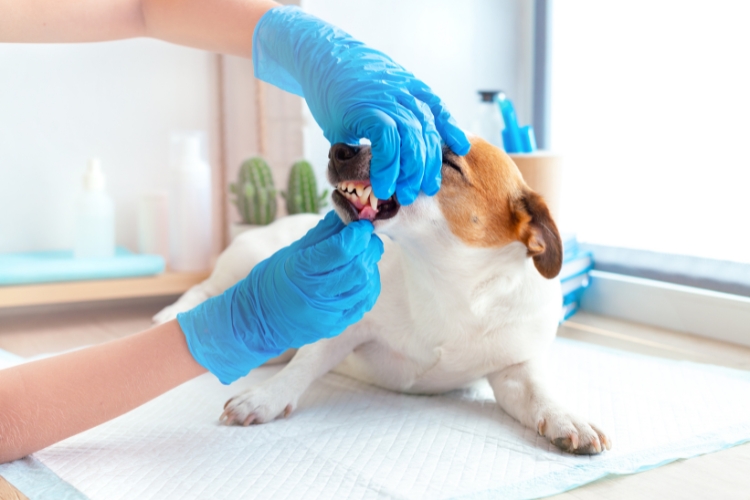
Pet dental care is an essential part of preventive veterinary medicine. It focuses on maintaining healthy teeth and gums while preventing oral disease before it becomes severe.
Professional dental care includes:
- Comprehensive oral examinations
- Professional teeth cleaning
- Dental X-rays, when needed
- Plaque and tartar removal
- Tooth extractions if necessary
- Recommendations for home dental care
Combined with regular at-home brushing and dental products, professional care helps protect your pet’s entire body—not just their mouth.
Dental Disease Is More Common Than Many Owners Realize
Many pets begin developing periodontal disease by the age of three. Unfortunately, this condition often progresses slowly, making it difficult for owners to recognize the warning signs.
Plaque naturally forms on teeth after eating. If it is not removed, it hardens into tartar, which allows bacteria to accumulate beneath the gumline.
Over time, these bacteria cause:
- Gum inflammation
- Bad breath
- Infection
- Tooth decay
- Loose teeth
- Tooth loss
Routine veterinary examinations allow dentists to identify these problems before they become painful.
Poor Oral Health Affects the Entire Body
The mouth serves as a gateway to the rest of the body.
When bacteria from infected gums enter the bloodstream, they may travel to major organs and contribute to additional health problems.
Research has shown that severe dental disease may affect:
- Heart health
- Kidney function
- Liver function
- Respiratory health
Although not every pet develops these complications, reducing oral bacteria significantly lowers the overall health risks.
Maintaining good oral health supports healthier body systems throughout your pet’s life.
Early Detection Prevents Serious Problems
Pets naturally hide discomfort.
As a result, many continue eating despite experiencing painful dental disease.
Routine oral examinations help veterinarians identify issues such as:
- Broken teeth
- Gum disease
- Oral infections
- Tooth root abscesses
- Oral tumors
- Jaw abnormalities
Finding these problems early often leads to simpler treatment and better outcomes.
Professional Dental Cleanings Make a Difference
Although brushing your pet’s teeth at home is beneficial, it cannot remove hardened tartar below the gumline.
Professional dental cleanings include specialized equipment that safely removes plaque and tartar from every tooth surface.
During the procedure, your veterinarian can:
- Evaluate every tooth
- Examine the gums
- Clean beneath the gumline
- Polish the teeth
- Identify hidden problems
Dental X-rays may also reveal issues beneath the surface that cannot be seen during a visual examination.
Fresh Breath Is a Sign of Better Oral Health
Many pet owners assume bad breath is normal.
In reality, persistent bad breath often indicates bacterial buildup or dental disease.
Addressing the underlying cause not only improves your pet’s breath but also helps eliminate infection and discomfort.
Healthy mouths smell noticeably cleaner.
Home Dental Care Supports Long-Term Oral Health
Daily home care greatly improves the effectiveness of professional cleanings.
Simple habits include:
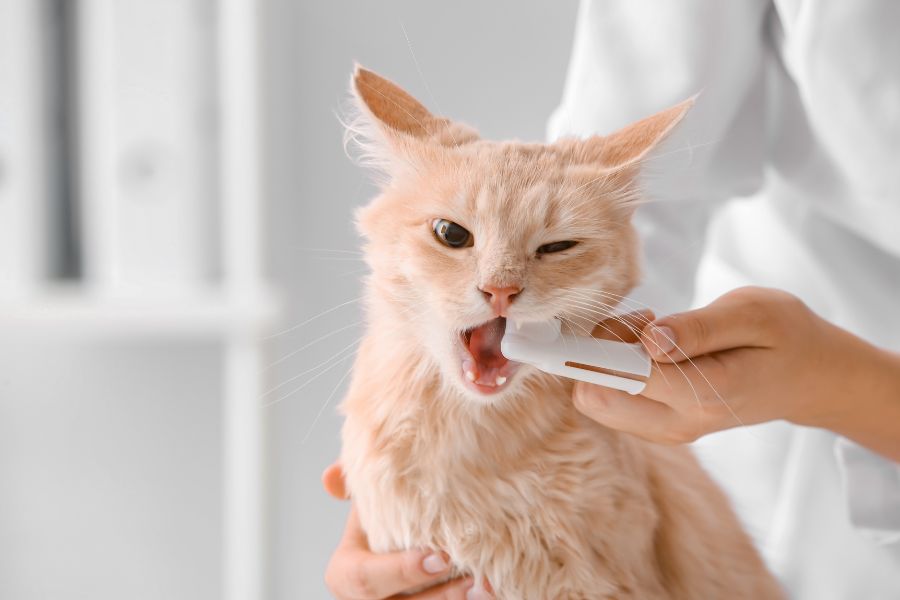
- Brushing your pet’s teeth
- Offering veterinarian-approved dental chews
- Using dental rinses
- Feeding dental diets when recommended
- Monitoring for changes in eating habits
Consistency matters more than perfection.
Even brushing several times each week can make a meaningful difference.
Nutrition Also Supports Healthy Teeth
Balanced nutrition benefits every aspect of your pet’s health, including oral wellness.
Certain diets are specifically designed to reduce plaque buildup while promoting healthier gums.
Additionally, avoiding excessive sugary treats and providing appropriate chew toys may help maintain cleaner teeth.
Ask your veterinarian which diet best fits your pet’s age, breed, and health status.
Recognizing the Warning Signs of Dental Disease
Early recognition allows faster treatment.
Watch for symptoms including:
- Bad breath
- Yellow or brown tartar
- Red gums
- Bleeding gums
- Difficulty chewing
- Dropping food
- Excessive drooling
- Pawing at the mouth
- Loose teeth
- Facial swelling
If you notice any of these signs, schedule a veterinary examination promptly.
Senior Pets Need Extra Dental Attention
Older pets face an increased risk of dental disease because plaque accumulates over many years.
Senior pets may also experience:
- Worn teeth
- Gum recession
- Tooth fractures
- Oral infections
Routine dental evaluations help maintain comfort and preserve oral function as pets age.
Good dental health also encourages senior pets to continue eating comfortably.
Every Pet Benefits from Preventive Dental Care
Dental care is valuable regardless of your pet’s age.
Puppies and kittens benefit from early oral examinations to monitor tooth development.
Adult pets require routine cleanings and home maintenance.
Senior pets often need additional monitoring to identify age-related dental concerns before they become painful.
Preventive care creates healthier habits that last throughout your pet’s life.
Why Routine Veterinary Dental Exams Matter
Regular wellness visits provide opportunities to evaluate oral health before visible symptoms appear.
Your veterinarian monitors changes over time, allowing for earlier diagnosis and treatment.
Routine dental evaluations also help establish personalized care plans based on your pet’s:
- Breed
- Age
- Lifestyle
- Medical history
- Existing dental condition
This individualized approach helps protect your pet’s long-term health.
Investing in Dental Health Saves Money Over Time
Preventive dental care often reduces the need for complex procedures later.
Treating advanced dental disease may require:
- Multiple tooth extractions
- Advanced imaging
- Extensive surgery
- Long-term medications
By addressing problems early, pet owners can often avoid more expensive treatments while keeping their pets healthier and more comfortable.
Healthy Teeth Mean a Better Quality of Life
A healthy mouth allows pets to eat comfortably, play normally, and enjoy everyday activities without pain.
They experience:
- Better appetite
- Improved comfort
- Increased energy
- Reduced inflammation
- Healthier gums
- Stronger teeth
Most importantly, they enjoy a higher quality of life throughout every stage of aging.
At Countryside Veterinary Hospital, we believe your pet’s oral health is closely connected to their overall wellness. Regular dental exams, professional cleanings, and consistent home care help prevent painful dental disease while supporting healthy organs, comfortable eating, and a better quality of life. Investing in pet dental care today can help prevent serious health problems tomorrow. If your pet is due for a dental checkup, schedule an appointment with Countryside Veterinary Hospital to help keep their smile healthy and their body thriving.
Frequently Asked Questions
- How often should my pet have a professional dental cleaning?
The frequency depends on your pet’s age, breed, and oral health. Most pets benefit from regular dental evaluations each year, and your veterinarian can recommend the appropriate cleaning schedule.
- What are the signs that my pet may have dental disease?
Common signs include bad breath, red or swollen gums, tartar buildup, loose teeth, difficulty eating, excessive drooling, and pawing at the mouth.
- Can I brush my pet’s teeth at home?
Yes. Brushing your pet’s teeth with a veterinarian-approved toothbrush and toothpaste is one of the best ways to reduce plaque and maintain oral health between professional cleanings.
- Is dental disease linked to other health problems?
Yes. Untreated dental disease can allow bacteria to enter the bloodstream, potentially affecting the heart, kidneys, liver, and other organs over time.
- Why choose Countryside Veterinary Hospital for my pet’s dental care?
Countryside Veterinary Hospital provides comprehensive dental examinations, professional cleanings, advanced diagnostics, and personalized treatment plans to help keep your pet healthy and comfortable.
- How do I schedule a dental appointment at Countryside Veterinary Hospital?
Simply contact Countryside Veterinary Hospital to schedule your pet’s dental evaluation. Our experienced team will recommend the right dental care plan to support your pet’s long-term health.
Related Articles