Patient Portal

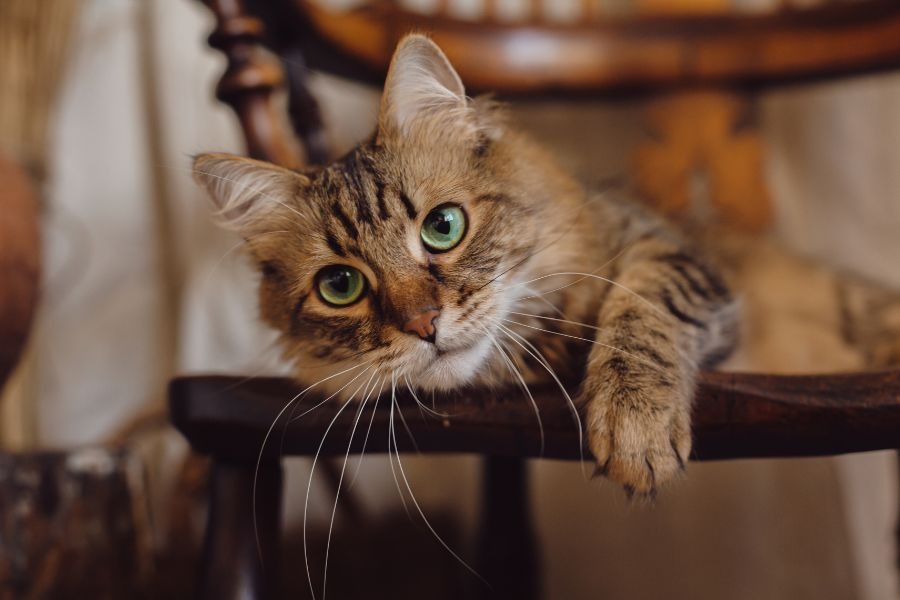
Your cat skipped breakfast. Then dinner. Now you’re watching them stroll across the couch like nothing happened. It’s a confusing situation. A cat not eating normally while still playing, grooming, and purring doesn’t always signal a crisis, but it does signal something worth paying attention to. Cats are creatures of habit. A change in appetite, even a subtle one, is your cat’s way of telling you something has shifted. This article walks you through the most common reasons a cat may stop eating, what signs to watch for, and when a trip to the veterinarian makes sense. Whether it’s a minor preference shift or an early sign of an underlying condition, understanding the cause is the first step to keeping your cat healthy.
What Does It Mean When a Cat Stops Eating?
A cat that stops eating but continues to act normally is experiencing what veterinarians call inappetence or reduced appetite. This is different from a cat that is lethargic, hiding, or clearly unwell. In many cases, a short pause in eating, lasting less than 24 hours, is not cause for alarm. However, if your cat goes beyond 24 to 48 hours without eating, veterinary attention is recommended. Cats have a unique metabolic risk: when they stop eating for extended periods, they can develop hepatic lipidosis, commonly called fatty liver disease. This condition can become serious quickly, even in cats that otherwise appear fine. Studies suggest that hepatic lipidosis is one of the most common liver diseases seen in cats. Catching appetite changes early gives your nearest veterinarian the best opportunity to identify the cause and help your cat recover fully.
Common Reasons a Cat Loses Its Appetite
Understanding why your cat is skipping meals helps narrow down whether this is a wait-and-see situation or something that needs prompt care.
Food-related changes are one of the most frequent culprits. A new formula from the same brand, a different protein source, or even a bag that sat open too long can turn a cat off completely. Cats have a highly developed sense of smell. Stale or changed food registers immediately.
Stress and environmental changes are another major factor. A cat losing appetite suddenly after a move, a new pet, a schedule change, or a disruption to their routine is often reacting to anxiety. Cats internalize stress, and reduced eating is one of the first signs.
Dental discomfort plays a bigger role than most owners expect. A cat with a sore tooth or inflamed gums may approach the food bowl and then walk away. They’re hungry but eating hurts.
Underlying illness can also be at play, even when outward behavior seems normal. Early kidney disease, hyperthyroidism, and gastrointestinal issues often present with reduced appetite before other symptoms appear.
Pet owners often tell us they assumed their cat was just being picky. In many cases, the real issue turned out to be a dental problem or early organ disease that responded well to treatment once identified.
Signs of a Stressed Cat That May Stop Eating
Stress is one of the leading causes of appetite changes in cats. Recognizing signs of stress in cats early can prevent the issue from escalating.
Watch for these behaviors:
- Hiding more than usual: A stressed cat seeks isolation. If your cat is spending long stretches under the bed or in a closet, take note.
- Over-grooming or under-grooming: Stress disrupts normal grooming routines. Bald patches or a suddenly unkempt coat are both red flags.
- Increased vocalization: Some cats become more vocal when anxious, especially at night.
- Litter box changes: Stress commonly triggers litter box avoidance or changes in elimination habits.
- Tense body posture: Flattened ears, a tucked tail, and crouched positioning signal an uncomfortable cat.
If your cat is showing signs of stress alongside a reduced appetite, the two are likely connected. Addressing the stressor often helps restore normal eating within a few days. If it doesn’t, a veterinary visit is the right next step.
Why Is My Cat Skipping Meals but Acting Normal?
A cat skipping meals while still seeming happy and alert is one of the most common questions veterinarians receive from cat owners. The short answer: cats can feel “off” internally without showing it externally. Their instinct to mask illness is strong, inherited from wild ancestors for whom appearing vulnerable was dangerous.
Here are the most likely explanations:
- Food preference shift: Cats can develop sudden aversions to foods they previously enjoyed. This is especially common after an illness, a medication course, or a change in household routine.
- Mild nausea: Cats experiencing low-grade nausea may avoid food without showing other obvious symptoms. Hairballs, dietary indiscretion, or mild gastrointestinal upset can cause this.
- Hormonal changes: Unspayed female cats in heat may reduce food intake temporarily.
- Medication side effects: If your cat recently started a new medication, appetite suppression is a common side effect worth discussing with your vet.
- Slow-moving illness: Conditions like early hyperthyroidism or kidney disease often cause appetite changes months before other symptoms appear.
In Idaho Falls, we see this more often in multi-cat households, where subtle social tension between cats can cause a lower-ranking cat to avoid the food bowl when others are nearby.
When to See a Vet for a Cat That Won’t Eat
Knowing when to see a vet is the most important piece of this puzzle. Not every skipped meal requires an urgent visit. But some situations do.
Contact your veterinarian promptly if:
- Your cat has not eaten for more than 24 to 48 hours
- Your cat is losing weight alongside the appetite change
- You notice vomiting, diarrhea, or changes in litter box habits
- Your cat is drinking significantly more or less water than usual
- Your cat’s gums look pale, yellow, or dry
- Your cat is also becoming lethargic or hiding more than normal
- Your cat is a kitten, a senior cat over 10 years old, or has a known health condition
At your veterinary appointment, your vet will likely perform a physical exam, check your cat’s weight, and may recommend blood work or a urinalysis to rule out underlying conditions. Early detection makes a meaningful difference in outcomes for most conditions that cause appetite changes.
Countryside Veterinary Hospital recommends scheduling an appointment sooner rather than later if your cat’s appetite has not returned within 24 hours. Cats decline faster than dogs when they stop eating, and prompt evaluation protects their long-term health.
Tips to Encourage Your Cat to Eat
Before your appointment, or while monitoring a cat with a very recent appetite dip, these steps may help encourage eating.
- Warm the food slightly: A few seconds in the microwave (stir well and test for hot spots) can intensify aroma and make food more appealing.
- Try a different texture: If your cat eats dry food, offer a small amount of wet food. A change in texture can reignite interest.
- Use a clean, flat dish: Deep bowls press against a cat’s whiskers, which many cats find uncomfortable. A flat plate or shallow dish can make a difference.
- Feed in a quiet location: A cat losing appetite suddenly may be responding to mealtime stress. Move the food bowl away from noise, foot traffic, or other pets.
- Keep feeding times consistent: Routine matters to cats. Offering food at the same time each day reinforces normal eating patterns.
We frequently remind our clients that appetite stimulants should never be used without veterinary guidance. What works for one cat may not be appropriate for another, especially if an underlying condition is present.
A common misconception is that a cat simply “won’t eat until hungry enough.” In reality, forcing a cat to go without food hoping hunger will win out can trigger hepatic lipidosis within days. Never withhold food as a strategy to encourage eating.
Conclusion
A cat not eating normally is worth taking seriously, even when your cat seems perfectly happy otherwise. Short appetite dips tied to stress, food changes, or mild nausea often resolve on their own within a day. Anything beyond 24 to 48 hours, or any combination of symptoms, deserves a veterinary evaluation. The earlier a cause is identified, the easier it is to treat. If your cat has been skipping meals and you’re not sure what’s driving it, trust your instincts as a pet owner. You know your cat’s baseline better than anyone. The team at Countryside Veterinary Hospital is here to help you get answers and keep your cat feeling their best. Book an appointment today.
Frequently Asked Questions
Q: How long can a cat go without eating before it becomes dangerous?
Ans: Most veterinarians recommend seeking care if a cat has not eaten for more than 24 to 48 hours. Cats are at risk of developing hepatic lipidosis, a serious liver condition, when they stop eating for extended periods, even if they appear otherwise normal.
Q: Why is my cat not eating but drinking water and acting normal?
Ans: A cat that is drinking water but not eating may be experiencing nausea, a food aversion, or early signs of a condition like kidney disease or hyperthyroidism. These conditions can suppress appetite while leaving energy levels temporarily intact. A veterinary exam can identify the cause.
Q: Can stress make a cat stop eating?
Ans: Yes. Stress is one of the most common reasons cats reduce or stop eating. Changes in routine, a new pet, moving to a new home, or tension in a multi-cat household can all trigger appetite loss. If signs of stress in cats accompany the appetite change, addressing the stressor and consulting your vet is the right approach.
Q: What should I feed a cat that won’t eat?
Ans: Try warming wet food slightly, offering a flat dish instead of a deep bowl, or trying a different protein. If your cat still refuses food after 24 hours, contact your veterinarian rather than continuing to experiment at home.
Q: Is it normal for cats to skip meals sometimes?
Ans: Occasional, brief appetite dips can happen. However, a cat skipping meals behavior that extends beyond one day is not something to dismiss. Cats are habitual eaters, and a consistent change in appetite almost always has an identifiable cause worth investigating.
Related Articles
