Patient Portal

Your pet may still eat, play, and act normally even when something is wrong with their mouth. Dental problems often develop gradually, and pets may hide signs of discomfort until the condition becomes more advanced. Knowing what to watch for can help you recognize changes and seek veterinary care when needed.
For pet owners in Idaho Falls, ID, paying attention to your pet’s eating habits, breath, gums, and behavior can provide useful clues about their oral health. Regular wellness visits also give your veterinarian an opportunity to check the teeth and gums for problems that may not be obvious at home.
Pet dental care is an important part of overall preventive health. Professional dental evaluations, appropriate cleanings, and good home care can help protect your dog or cat’s teeth and gums while supporting better long-term comfort.
What Are the Common Signs of Dental Problems in Pets?
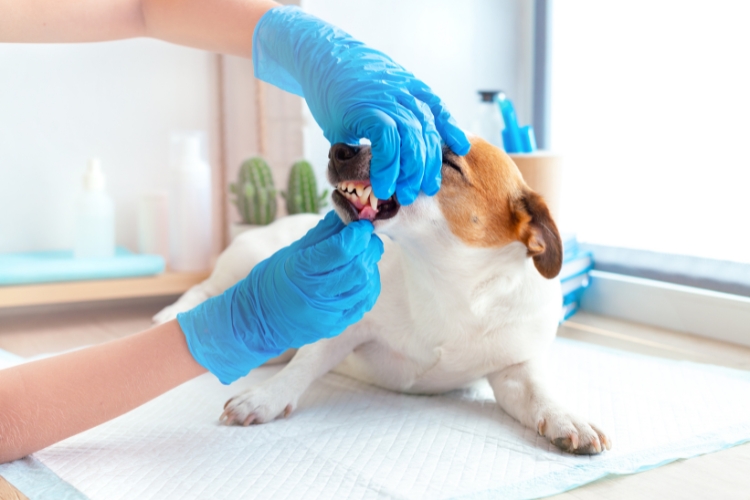
Common signs include persistent bad breath, tartar buildup, red or swollen gums, difficulty chewing, excessive drooling, pawing at the mouth, and changes in eating behavior. Some pets may show only subtle changes, so knowing what is normal for your pet can make a difference.
1. Persistent Bad Breath
A pet’s breath should not have a consistently strong or unpleasant odor. Persistent bad breath can be associated with plaque, tartar, gum inflammation, or other oral health concerns.
Bad breath alone does not identify the exact cause, but it is a good reason to have your pet’s mouth evaluated.
2. Red, Swollen, or Bleeding Gums
Healthy gums are generally firm and pink, although normal pigmentation can vary between pets. Redness, swelling, or bleeding around the teeth may indicate inflammation.
These changes should not simply be dismissed as part of aging. A veterinary examination can help determine what is causing the irritation.
3. Yellow or Brown Tartar
Plaque can accumulate on the teeth and eventually harden into tartar. Visible yellow or brown buildup, particularly near the gumline, can be a sign that your pet needs an oral health assessment.
Once tartar has hardened, brushing at home generally cannot remove it completely. Professional dental care may be recommended based on your pet’s condition.
4. Changes in Eating or Chewing
A pet with oral discomfort may chew more slowly, drop food, chew on one side of the mouth, prefer softer food, or become reluctant to eat. Some pets continue eating despite dental pain, so a normal appetite does not always rule out an oral problem.
Any persistent change in eating habits is worth discussing with your veterinarian.
5. Drooling or Pawing at the Mouth
Excessive drooling, rubbing the face, or repeatedly pawing at the mouth can indicate oral discomfort. These behaviors may have several possible causes, so professional evaluation is needed to determine what is happening.
Why Is Dental Care Important for Dogs and Cats?
Dental disease can affect more than the appearance of your pet’s teeth. Ongoing plaque and inflammation can damage the tissues supporting the teeth and contribute to discomfort, difficulty eating, and tooth loss.
Oral health is also part of a pet’s broader wellness. Regular examinations allow your veterinarian to identify dental changes and discuss appropriate treatment or prevention before problems have a greater effect on your pet’s daily life.
How Can You Help Prevent Dental Problems?
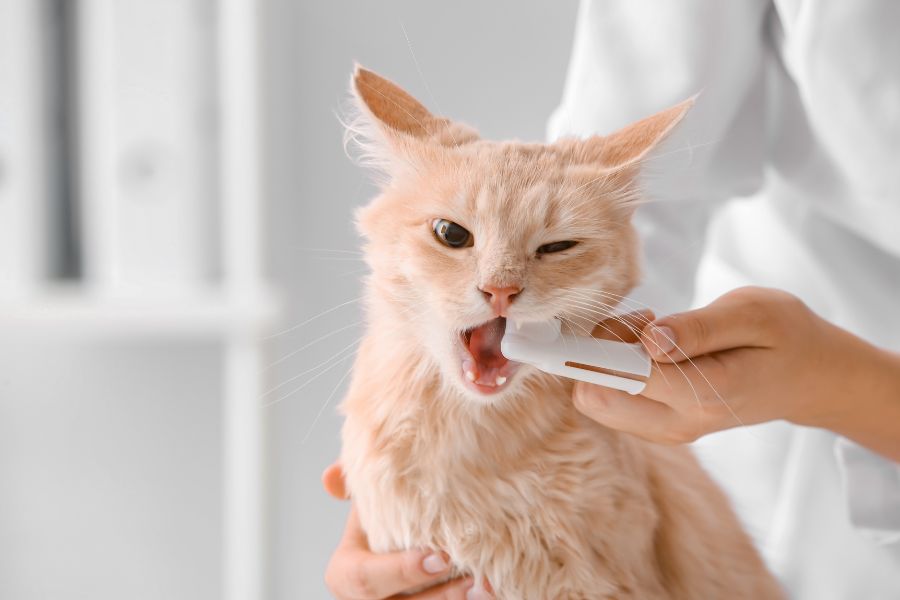
Home dental care can support professional veterinary care. Depending on your pet’s temperament and needs, your veterinarian may recommend regular tooth brushing with pet-safe dental products or other appropriate oral-health strategies.
Do not use human toothpaste for pets unless your veterinarian specifically recommends a product. Human dental products can contain ingredients that are not appropriate for animals.
Routine veterinary examinations are equally important because some dental problems occur below the gumline and cannot be fully assessed by simply looking at the visible teeth.
What Happens During Professional Pet Dental Care?
Professional dental care may involve an oral examination, cleaning, polishing, and additional treatment when dental disease is present. Your veterinarian will determine what is appropriate based on your pet’s individual oral health.
Depending on the situation, diagnostic evaluation may also be recommended. Your veterinary team can explain the procedure, preparation, and aftercare before treatment takes place.
When Should You Contact a Veterinarian?
Contact your veterinarian if your pet develops persistent bad breath, bleeding or swollen gums, difficulty chewing, excessive drooling, facial swelling, loose or damaged teeth, or a noticeable change in eating behavior.
If your pet appears unable to eat, has significant facial swelling, is bleeding from the mouth, or seems to be experiencing severe discomfort, prompt veterinary attention is appropriate.
Avoid attempting to pull a loose tooth or treat a painful area yourself. A veterinarian can safely evaluate the problem and determine the next step.
Dental problems are easier to address when changes are recognized early. Regular veterinary examinations, appropriate professional dental care, and consistent home care can all help support your pet’s oral health.
For families looking for dependable pet dental care in Idaho Falls, Countryside Veterinary Hospital can help evaluate your pet’s dental health and recommend care based on their individual needs. Schedule an appointment if you have noticed changes in your pet’s mouth, breath, eating habits, or behavior.
Frequently Asked Questions
Q1. What is the first sign of dental disease in pets?
Ans: Persistent bad breath is often one of the first noticeable signs, although some pets may show changes in chewing, eating, or gum appearance before an owner notices an odor.
Q2. Can pets have dental problems without showing pain?
Ans: Yes. Pets may hide signs of discomfort or continue eating despite oral pain. Regular veterinary examinations can help identify problems that may not be obvious at home.
Q3. How often should my pet have a dental examination?
Ans: Dental needs vary by pet. Your veterinarian can recommend an appropriate examination schedule based on your pet’s age, oral health, breed, lifestyle, and previous dental history.
Q4. Does Countryside Veterinary Hospital provide pet dental care?
Ans: Countryside Veterinary Hospital can evaluate your pet’s oral health and discuss appropriate dental care based on their individual needs.
Q5. Can Countryside Veterinary Hospital help with my pet’s dental problems?
Ans: Yes. The veterinary team can assess signs of dental disease and explain potential care options, including professional dental treatment when appropriate.
Q6. When should I schedule a dental visit with Countryside Veterinary Hospital?
Ans: Consider scheduling a visit if you notice persistent bad breath, tartar, gum changes, difficulty chewing, drooling, or other changes involving your pet’s mouth or eating habits.
Related Articles