Patient Portal

A little yellow buildup on your pet’s teeth might not seem like a major concern. But plaque can do more than affect the appearance of a dog’s or cat’s smile. If it stays on the teeth, it can harden into tartar, irritate the gums, and eventually contribute to damage beneath the gumline.
For pet owners in Idaho Falls, ID, understanding this progression can make it easier to recognize why routine dental examinations matter. Dental disease often develops gradually, and pets may continue eating and playing even when their mouths are uncomfortable.
Consistent pet dental care helps identify changes early and gives your veterinarian an opportunity to recommend appropriate treatment. Here’s how dental disease develops, what can happen at each stage, and how you can help protect your pet’s oral health.
How Does Dental Disease Progress in Dogs and Cats?
Dental disease typically begins with plaque buildup and can progress to gingivitis and periodontal disease if it is not addressed. Early gum inflammation may be reversible, but advanced periodontal damage can permanently affect the tissues supporting the teeth.
Understanding the stages helps explain why waiting for obvious symptoms is not always the best approach.
What Are the Main Stages of Dental Disease?
1. Plaque Begins to Form
Plaque is a soft, sticky film containing bacteria that naturally collects on tooth surfaces. It forms throughout the day, particularly around the gumline and in areas that are difficult to reach.
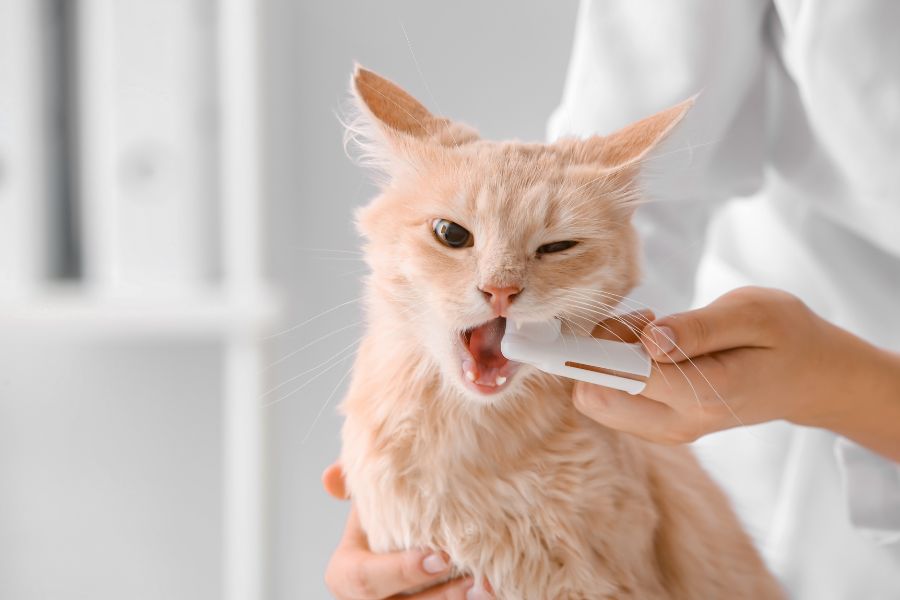
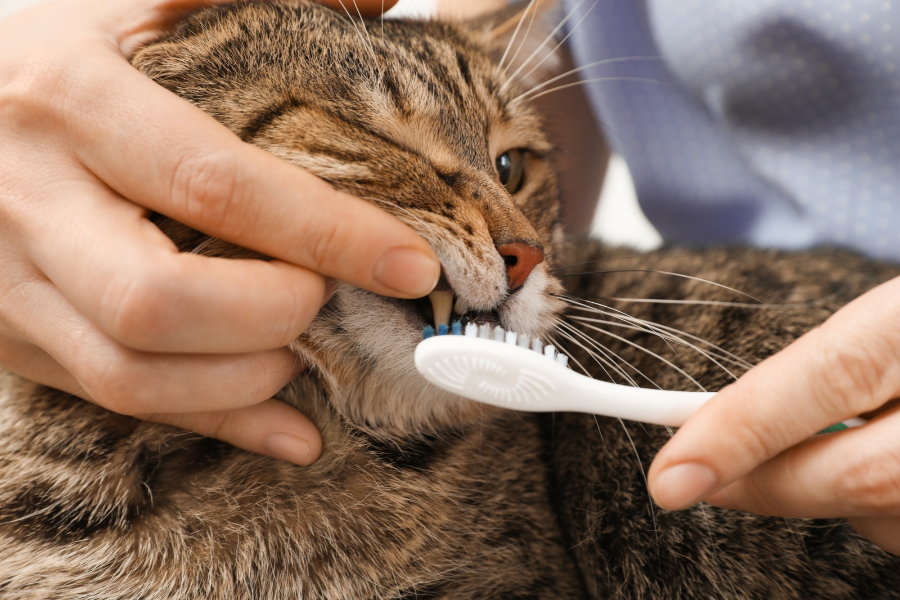
Regular tooth brushing helps remove plaque before it hardens. Without consistent cleaning, minerals in saliva can cause plaque to turn into tartar, which attaches firmly to the teeth.
2. Tartar Accumulates and Irritates the Gums
Tartar creates a rough surface where additional plaque can collect. As bacteria accumulate near the gumline, the surrounding gum tissue may become irritated.
You might notice yellow or brown deposits, persistent bad breath, or gums that look red and swollen. However, some pets show very few visible changes during this stage.
3. Gingivitis Develops
Gingivitis is inflammation of the gums caused by plaque and bacterial buildup. The gums may become red, swollen, tender, or prone to bleeding.
This is an important stage because gingivitis is generally reversible with appropriate professional cleaning and consistent home dental care. Addressing it can help prevent progression to more serious periodontal disease.
4. Periodontal Disease Damages Supporting Tissues
If inflammation continues, bacteria can collect beneath the gumline and contribute to deeper periodontal pockets. These spaces allow plaque and bacteria to remain around the tooth roots.
Over time, the infection and inflammation can damage the periodontal ligament and the bone that supports the teeth. Unlike early gingivitis, this damage is not reversible.
Affected teeth may become loose, painful, or require extraction. Advanced disease can also lead to oral infections and abscesses.
What Can Happen If Periodontal Disease Is Left Untreated?
Untreated periodontal disease can cause ongoing discomfort, tooth loss, and difficulty eating. Some pets may drop food, chew on one side, avoid hard treats, or show less interest in meals.
Oral infection and inflammation may also have implications beyond the mouth. Research has linked periodontal disease with broader health concerns, although the relationship does not mean every pet with dental disease will develop problems affecting other organs.
Because pets often hide discomfort, changes in appetite or behavior may appear later than the dental problem itself.
How Can You Slow or Prevent Dental Disease?
A combination of home care and professional veterinary treatment offers the best support for your pet’s oral health.
- Brush regularly: Use a pet-specific toothbrush and toothpaste. Daily brushing is ideal when your pet tolerates it.
- Choose appropriate dental products: Ask your veterinarian about dental diets, treats, or other products suited to your pet.
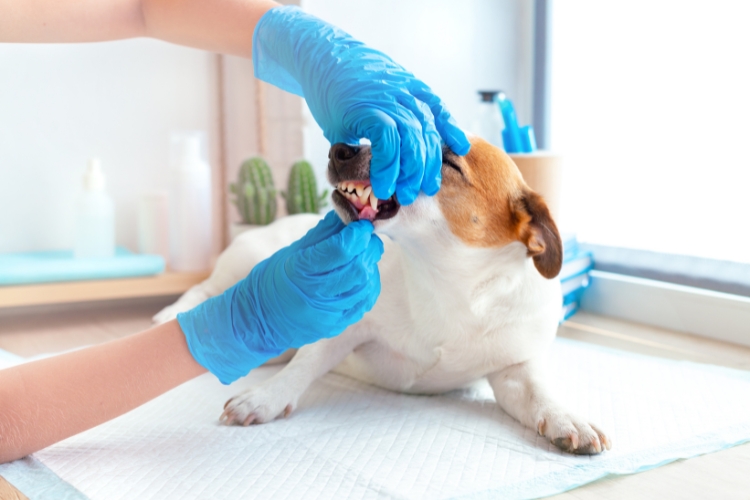
- Schedule routine dental examinations: Your veterinarian can check for plaque, tartar, gum inflammation, and signs of periodontal disease.
- Follow professional cleaning recommendations: Veterinary dental cleanings remove plaque and tartar, including buildup beneath the gumline. Extractions may be necessary when teeth are too damaged to preserve.
Professional dental cleanings are performed under anesthesia so the veterinary team can examine and clean the teeth thoroughly and safely. Home brushing helps maintain oral health between professional visits, but it cannot remove established tartar or reverse advanced periodontal damage.
When Should You Contact a Veterinarian?
Schedule an oral health examination if you notice persistent bad breath, visible tartar, red or bleeding gums, loose teeth, excessive drooling, or changes in chewing and eating habits.
Facial swelling, significant oral bleeding, or signs of substantial pain warrant prompt veterinary attention. Even if your pet seems comfortable, routine dental evaluations can help identify problems that are not obvious at home.
Dental disease usually develops in stages, beginning with plaque and potentially progressing to gum inflammation, periodontal damage, and tooth loss. Recognizing the early changes gives you a better opportunity to address problems before they become more advanced.
Countryside Veterinary Hospital provides professional dental cleanings, oral examinations, and treatment options for pets in Idaho Falls and surrounding communities. If your pet has visible tartar, persistent bad breath, or changes in eating habits, contact our veterinary team to discuss your pet’s dental health and the care they may need.
Frequently Asked Questions
Q1. How long does it take for plaque to turn into serious dental disease in pets?
Ans: The progression varies by pet. Factors such as age, breed, oral anatomy, and home dental care can influence how quickly plaque buildup leads to gingivitis and periodontal disease. Regular examinations help monitor changes.
Q2. Can early gum disease be reversed in dogs and cats?
Ans: Yes. Gingivitis, which involves inflammation of the gums without permanent damage to supporting structures, is generally reversible with professional cleaning and consistent home care. Advanced periodontal damage cannot be reversed.
Q3. Can tartar be removed by brushing my pet’s teeth at home?
Ans: Brushing helps remove soft plaque and reduce future buildup, but it cannot remove firmly attached, hardened tartar. A professional veterinary dental cleaning is needed to address established deposits.
Q4. Does Countryside Veterinary Hospital provide professional dental cleanings?
Ans: Yes. Countryside Veterinary Hospital offers professional dental cleanings under anesthesia. The team removes plaque and tartar, evaluates oral health, and can discuss additional treatment when needed.
Q5. Can Countryside Veterinary Hospital treat advanced periodontal disease?
Ans: Yes. The hospital provides dental care for pets with existing oral disease, including professional cleaning and extractions when necessary. The veterinarian can evaluate your pet and recommend an appropriate treatment plan.
Q6. How does Countryside Veterinary Hospital help pet owners maintain dental health at home?
Ans: The veterinary team can provide guidance on tooth brushing, pet-specific dental products, dental treats, and prescription dental diets. Recommendations are based on your pet’s individual oral health and needs.