Patient Portal

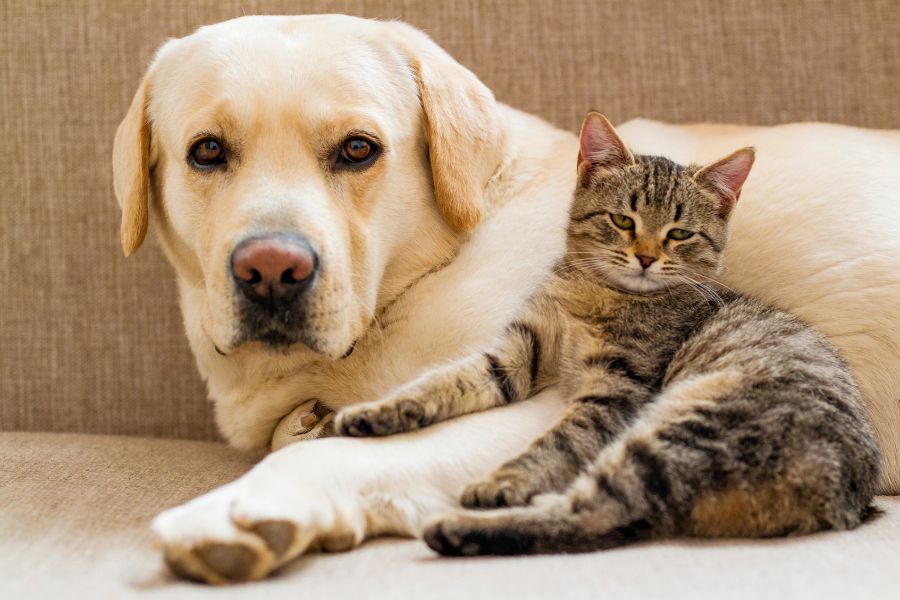
Your pet depends on you to notice when something feels different, from a change in appetite to a new habit or a sudden drop in energy. Having a veterinary team you trust makes it easier to ask questions, address concerns, and make decisions about your pet’s health. The right clinic should be a place where you feel comfortable discussing both everyday wellness and unexpected problems.
If you are searching for a veterinarian in Idaho Falls, Countryside Veterinary Hospital is one local option to explore as you consider your pet’s healthcare needs. Before choosing a clinic, think about what matters most to your family, whether that is clear communication, preventive care, help managing ongoing conditions, or guidance when your pet becomes ill.
You do not have to make your decision based on a single online review or the closest location. Looking at how a veterinary practice communicates, approaches care, and helps you understand your options can give you a better sense of whether it is the right fit for you and your pet.
Start With the Kind of Care Your Pet Needs
A pet’s healthcare needs change throughout life. A young puppy may need guidance on vaccinations, nutrition, parasite prevention, and healthy development. An adult dog or cat may benefit from routine wellness visits, while a senior pet may need additional monitoring for mobility changes, dental problems, or chronic conditions.
Think about your pet’s current needs and what may become important later. When comparing clinics, ask about the services they offer and how they approach routine examinations, dental health, diagnostic testing, surgery, and ongoing medical concerns.
You do not need to predict every future health problem. Instead, look for a veterinary team that can help you understand your options as your pet’s needs change.
Pay Attention to How the Veterinary Team Communicates
A good veterinary visit should leave you with a clearer understanding of your pet’s health, not more confusion. The veterinarian should explain findings in everyday language, answer your questions, and discuss why a particular test or treatment may be recommended.
Notice whether the team listens when you describe changes at home. You might mention that your cat has started hiding more often or that your dog hesitates before climbing stairs. Details that seem small to you can help the veterinarian decide whether further evaluation is appropriate.
It is also reasonable to ask about the benefits, possible risks, alternatives, and costs of recommended care. You should feel that you can participate in decisions about your pet rather than simply being handed instructions.
Look Beyond Routine Checkups
Preventive care is an important part of keeping pets healthy, but it is only one part of veterinary medicine. Depending on your pet’s condition, they may eventually need diagnostic testing, dental treatment, surgery, or help managing an ongoing illness.
When evaluating a clinic, ask how the team approaches health concerns that need further investigation. Find out what diagnostic options may be available and whether referrals to another veterinary facility or specialist may sometimes be necessary.
A thoughtful approach includes explaining what is known, what remains uncertain, and what the next steps may be. No veterinary practice can prevent every illness, but clear guidance can help you make informed decisions when health concerns arise.
Know What Happens When Your Pet Needs Help Quickly
Pets rarely choose convenient times to become sick. A sudden bout of vomiting, an injury, or an unexpected change in behavior can leave you wondering whether to wait for a regular appointment.
Before choosing a veterinary practice, ask how urgent concerns are handled during business hours and where you should go if your pet needs care after the clinic closes. Keep the contact information for a suitable emergency veterinary facility somewhere easy to find.
Some symptoms need immediate attention. Difficulty breathing, collapse, uncontrolled bleeding, seizures, or suspected poisoning should not wait for a routine appointment. Seek emergency veterinary care if your pet experiences these signs.
Knowing your options before an emergency happens can help you act more confidently when time matters.
Consider Whether the Clinic Fits Your Everyday Life
The practical side of veterinary care matters, too. A clinic’s location, appointment availability, communication process, and costs can affect how easily you maintain your pet’s care over time.
Before your first visit, consider asking:
- How are routine appointments and follow-up visits arranged?
- What should I expect to pay for an examination?
- Will I receive an estimate before recommended procedures?
- How can I ask questions about my pet’s care after an appointment?
- How are medical records and treatment instructions shared?
You can also review the clinic’s website for information about its team and services. Online reviews may help you identify common themes in other clients’ experiences, but use them alongside your own questions and impressions.
Help Your Pet Feel More Comfortable at the Vet
Even a well-equipped clinic may not feel welcoming to a nervous pet unless the team understands their needs. Some animals become anxious around unfamiliar people, sounds, or other pets. Others may be uncomfortable because of pain or a previous stressful experience.
Tell the veterinary team if your pet becomes fearful during travel or examinations. Ask whether there are ways to make the visit more comfortable, such as waiting in a quieter area or discussing preparation strategies before the appointment.
You can also help by bringing your pet’s previous medical records, a list of medications, and notes about any recent changes in behavior or health. These details make it easier to discuss your concerns and help the veterinarian understand your pet’s history.
Exploring Countryside Veterinary Hospital
Pet owners in Idaho Falls can explore Countryside Veterinary Hospital to learn more about its veterinary team, available services, and approach to pet care. Consider how the hospital’s offerings align with your pet’s current needs and the kind of support you are looking for over time.
When you contact the hospital, prepare a few questions about wellness visits, your pet’s specific health concerns, and what to do if an urgent problem develops. An open conversation can help you understand the available options and decide whether the practice is a good match for your family.
Choosing a veterinarian is about finding a team that helps you understand your pet’s health and feel prepared to make decisions. Consider the quality of communication, the range of care available, guidance for urgent situations, and the practical details that make regular visits manageable. Most importantly, look for a veterinary team that takes your concerns seriously and treats your pet as an individual.
Countryside Veterinary Hospital is a local option to consider if you are looking for veterinary care in Idaho Falls. Learning about the hospital and discussing your pet’s needs with the team can help you decide whether it is the right fit.
Schedule an appointment to discuss your pet’s healthcare needs and learn more about appropriate care for their age, lifestyle, and health history.
Frequently Asked Questions
1. What is the most important factor when choosing a veterinarian?
Ans: Look for a veterinary team that communicates clearly, listens to your concerns, and explains care recommendations. Services, location, costs, and appointment availability are also important considerations.
2. Should I choose a veterinarian based on my pet’s age?
Ans: Your pet’s age is one factor to consider. Puppies and kittens need care that supports healthy development, adult pets benefit from preventive visits, and senior pets may need closer monitoring. Ask how a clinic can support your pet as their needs change.
3. How can I tell if a veterinary clinic is a good fit for my pet?
Ans: Notice how the team interacts with your pet, whether your questions are answered clearly, and whether you understand the recommended care plan. Your comfort with the communication process is an important part of the decision.
4. How can Countryside Veterinary Hospital help me understand my pet’s healthcare needs?
Ans: You can discuss your pet’s health history, lifestyle, and current concerns with the veterinary team. This information helps guide conversations about preventive care, examinations, and further evaluation when needed.
5. What information should I share with Countryside Veterinary Hospital at the first visit?
Ans: Bring available medical records, vaccination history, a list of medications and supplements, and notes about changes in appetite, activity, or behavior. Mention any concerns you have noticed, even if they seem minor.
6. What should I know about urgent care before choosing Countryside Veterinary Hospital?
Ans: Ask about the hospital’s regular hours, how urgent concerns are handled during those hours, and where to seek emergency care after closing. For severe symptoms such as difficulty breathing, collapse, or uncontrolled bleeding, go directly to an emergency veterinary facility.