Patient Portal

Not every health problem announces itself with an obvious symptom. Sometimes, the first sign is a dog that tires sooner on walks, a cat that drinks more water than usual, or a pet whose appetite has changed without a clear reason. These small differences can be easy to overlook, especially when your companion otherwise seems happy and active.
A veterinary examination helps identify possible concerns, but some answers require a closer look inside the body. Laboratory testing and diagnostic imaging can reveal information that cannot be gathered from appearance or behavior alone.
For pet owners in Idaho Falls, ID, understanding how pet diagnostic care works can make it easier to recognize the value of testing and have informed conversations with the team at Countryside Veterinary Hospital.
Why a Physical Examination May Not Be the Whole Answer
A pet can look healthy while an internal change is developing. The body may compensate for certain problems for a time, allowing an animal to continue eating, playing, or interacting normally.
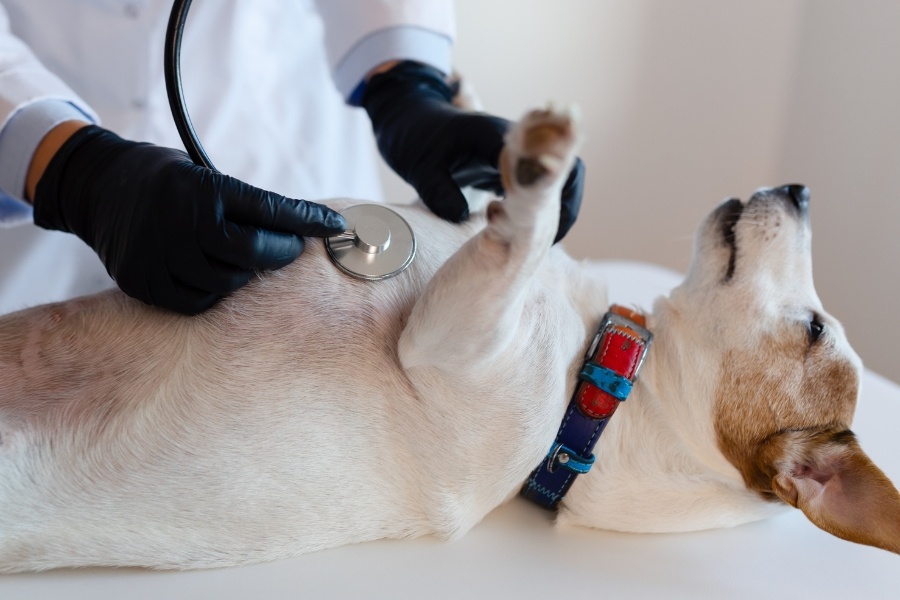
During an examination, a veterinarian checks factors such as weight, heart and breathing patterns, movement, and other signs of health. However, a physical exam cannot measure every aspect of organ function or show every internal structure in detail.
Testing adds another layer of information. For example, a pet with unexplained weight loss may need laboratory work to investigate possible causes. If an examination suggests a concern involving the abdomen, imaging may help the veterinarian look more closely.
The choice depends on the individual pet. There is no single test that can detect every illness, which is why a veterinarian considers the full medical picture before recommending the next step.
What Different Tests Can Tell a Veterinarian
Each diagnostic method answers different questions. Understanding its purpose can help you see why one test may be recommended over another.
Blood Tests: Looking at Internal Health
Blood tests can measure blood cells, assess certain aspects of organ function, and check levels of substances such as glucose and electrolytes. These results may help investigate fatigue, changes in thirst, weight loss, or other symptoms.
Bloodwork can also provide useful information before some procedures or when monitoring a known condition. An abnormal result does not automatically confirm a particular disease, but it may show where further investigation is needed.
Urine and Stool Tests: Details From Everyday Functions
Changes in bathroom habits can provide important clues. Urine testing may help evaluate urine concentration and identify findings associated with urinary or other health concerns. Stool testing can help detect intestinal parasites and investigate certain digestive problems.
These tests may be useful when a pet urinates more frequently, has persistent digestive changes, or experiences unexplained weight changes. The veterinarian will consider the symptoms and medical history when deciding whether a sample should be examined.
Diagnostic Imaging: Seeing Internal Structures
Some concerns require more than laboratory measurements. X-rays can help assess bones and certain structures in the chest or abdomen. Ultrasound uses sound waves to create images of internal organs and soft tissues.
Imaging may be recommended when a pet has ongoing discomfort, an unusual physical finding, or symptoms that need further investigation. The appropriate method depends on what the veterinarian needs to evaluate.
How the Pieces Fit Together
Diagnostic testing is rarely just about obtaining a result. The real value comes from interpreting that information alongside the pet’s symptoms, examination, and history.
Imagine that a pet has been drinking more water than usual. The veterinarian may ask about changes in urination, appetite, and energy before deciding whether bloodwork or urine testing would be useful. The findings may help narrow possible explanations or show that additional investigation is needed.
Sometimes, the first tests do not provide a complete answer. A veterinarian might recommend repeating a measurement, monitoring a symptom, or using a different diagnostic method. This does not necessarily mean the original test was unsuccessful. It may have helped rule out certain possibilities or provided a baseline for comparison.
If your pet needs testing, ask what the test is intended to investigate, what the results could mean, and how the findings may influence the care plan.
Your Observations Can Help Guide the Investigation
You know your pet’s everyday habits better than anyone. Sharing specific changes can help the veterinary team decide which details deserve attention.
Before an appointment, think about:
- Timing: When did the change begin, and has it become more noticeable?
- Frequency: Is it happening daily, occasionally, or only after a particular activity?
- Related signs: Have appetite, thirst, sleep, mobility, or bathroom habits changed too?
- Recent events: Has your pet started a new medication, changed diets, or possibly encountered something harmful?
You do not need to determine what the symptoms mean. Clear observations give your veterinarian useful context and may help avoid overlooking a relevant detail.
Do not wait for a routine appointment if your pet has difficulty breathing, collapses, experiences severe pain, or develops another potentially life-threatening symptom. Seek urgent veterinary care.
Making Informed Choices About Your Pet’s Health
Veterinary tests can uncover clues that are not apparent during an ordinary examination. By combining those findings with a pet’s history and symptoms, veterinarians can investigate possible health problems and make more informed decisions about further evaluation or treatment.
Countryside Veterinary Hospital understands the importance of evaluating subtle changes in a pet’s health and helping pet owners better understand their companion’s needs.
Frequently Asked Questions
Q1. Can diagnostic tests detect health problems before my pet shows symptoms?
Ans: Some diagnostic tests can identify changes before noticeable symptoms develop. Whether screening is appropriate depends on your pet’s age, medical history, lifestyle, and individual health risks. Your veterinarian can recommend suitable tests based on these factors.
Q2. Does my pet need every type of diagnostic test?
Ans: No. Not every pet needs every diagnostic test. Recommendations depend on your pet’s symptoms, physical examination, medical history, and possible health concerns. Your veterinarian can explain the purpose of each recommended test and how the results may guide care.
Q3. What should I do if my pet’s test results are normal but symptoms continue?
Ans: Normal results can be reassuring, but they do not rule out every possible health condition. If symptoms persist, your veterinarian may recommend monitoring, additional testing, or another examination to investigate the concern further.
Q4. How does Countryside Veterinary Hospital decide which diagnostic tests are appropriate for my pet?
Ans: The veterinary team considers your pet’s medical history, physical examination findings, age, and current symptoms. This information helps determine which diagnostic steps may provide useful details about your pet’s health.
Q5. What information should I bring to a diagnostic appointment at Countryside Veterinary Hospital?
Ans: Bring your pet’s medical records, a list of current medications and supplements, and details about any recent changes in appetite, energy, behavior, or daily habits. Sharing these details can help the veterinary team evaluate your pet more effectively.
Q6. Can Countryside Veterinary Hospital recommend diagnostic testing for senior pets?
Ans: Yes. Diagnostic testing may help investigate new symptoms or monitor certain health concerns in older pets. The veterinary team can discuss appropriate testing based on your pet’s age, medical history, and overall condition.
Related Articles