Patient Portal

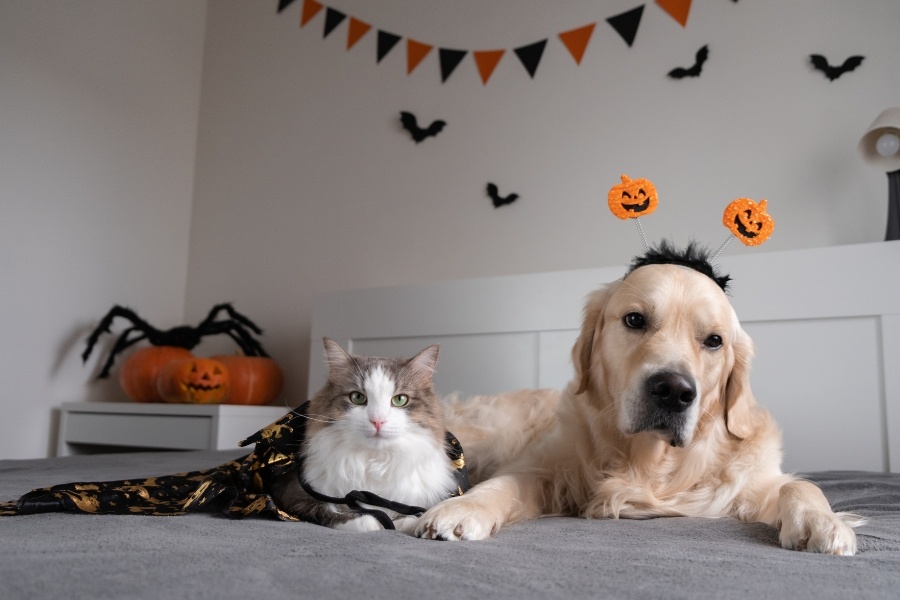
Halloween brings costumes, decorations, visitors, and excitement, but these changes can be challenging for households with multiple pets. One dog may bark at every doorbell, another may become frightened by costumes, and a cat may hide when unfamiliar people arrive. With some preparation, you can help every pet stay safe and comfortable throughout the holiday.
At Countryside Veterinary Hospital, supporting pets’ health and well-being includes helping families recognize potential hazards and make informed care decisions. When several animals share a home, understanding their individual needs is especially important during busy celebrations.
For families in Idaho Falls, ID, a few simple precautions can prevent unnecessary stress, accidental escapes, and holiday-related injuries. If you have questions about your pets’ health or behavior, a veterinarian can help you determine the appropriate next step.
Prepare Each Pet for Halloween
Pets in the same household may react differently to Halloween activities. One dog might enjoy meeting visitors, while another feels uneasy around people wearing masks. A cat may prefer hiding somewhere quiet rather than exploring the decorations.
Consider each pet’s temperament and usual response to noise, strangers, and changes in routine. Identify which animals need extra space and prepare a comfortable retreat for each of them.
Even pets that usually get along can become irritable when they feel overwhelmed. Avoid assuming that every animal will be comfortable sharing the same space during a busy gathering.
Create Separate Safe Spaces
Set up quiet areas away from the front door and main activity. Provide familiar bedding, fresh water, and appropriate toys. Cats may appreciate a covered hiding spot or elevated perch, while dogs may prefer resting in a familiar room.
If your pets become stressed around one another, use separate rooms rather than expecting them to share a retreat. Let children and guests know that pets resting in these areas should not be disturbed.
Check on each animal periodically, but allow them to remain in their safe spaces if they prefer. Pets do not need to participate in every Halloween activity to feel included.
Prevent Escapes When Trick-or-Treaters Arrive
Frequent door openings increase the chance that a frightened or excited pet could slip outside. Even animals that normally stay close to their owners may bolt when startled by unfamiliar visitors.
- Keep pets away from the main entrance while handing out candy.
- Secure doors, windows, and gates.
- Check that collars and identification tags are up to date.
- Make sure microchip registration details are current.
- Keep dogs on a secure leash during outdoor walks.
Consider placing pets in a quiet room before trick-or-treaters arrive, especially if doorbells make them bark or rush toward the entrance.
Reduce Tension Between Household Pets
Halloween excitement can create conflict between pets that usually live together peacefully. Crowded spaces, unfamiliar visitors, and competition for attention may make some animals less tolerant.
Feed pets in their usual separate areas if they tend to compete over food. Put away toys or treats that could trigger guarding behavior, and never force pets to pose together for photographs.
Watch for warning signs such as stiff posture, growling, hissing, flattened ears, or attempts to move away. Give the animals space and separate them calmly if necessary. Avoid punishing warning signals, as they can indicate that a pet feels uncomfortable.
Keep Candy and Decorations Out of Reach
Halloween treats can be dangerous for dogs and cats. Chocolate contains substances that are toxic to pets, while xylitol, a sweetener found in some sugar-free products, can cause a dangerous drop in blood sugar in dogs. Raisins may also cause serious illness in dogs.
Store candy in closed cupboards or secure containers, and remind children not to share sweets with pets. Dispose of wrappers in a covered trash can.
Decorations pose additional risks. Ribbons, strings, small ornaments, and plastic pieces can cause choking or intestinal blockages if swallowed. Keep electrical cords out of reach, and use safer alternatives to open-flame candles where possible.
Be Careful With Costumes and Loud Noises
Not every pet enjoys wearing a costume. If you dress up your dog or cat, choose an outfit that fits comfortably and does not restrict movement, breathing, vision, or hearing. Avoid small detachable parts and supervise your pet while the costume is on.
Remove the outfit if your pet freezes, hides, scratches repeatedly, or tries to escape. A simple festive collar may be a better choice.
Loud music, doorbells, and neighborhood activity can also overwhelm sensitive pets. Keep noise manageable and maintain familiar feeding, exercise, and rest routines.
Know When to Seek Veterinary Attention
Some pets settle after the celebrations end, but persistent behavior changes should not automatically be blamed on stress. Repeated vomiting, difficulty breathing, collapse, seizures, or suspected ingestion of a toxic substance require prompt veterinary attention.
If you suspect poisoning, do not wait for symptoms or try home remedies unless a veterinary professional specifically instructs you to do so. Contact a veterinary clinic for guidance and explain what your pet may have swallowed.
If your pet becomes unusually withdrawn, stops eating, or shows ongoing anxiety, seek veterinary advice to discuss possible causes and appropriate next steps.
Help Every Pet Have a Safer Halloween
A safe Halloween does not require every pet to join the festivities. By providing separate retreats, securing entrances, reducing conflict, and keeping candy and decorations out of reach, you can help every animal in your household feel more comfortable.
Pay attention to each pet’s needs and let them avoid situations that cause distress. If you have concerns about your pets’ health or notice unusual changes in behavior, Countryside Veterinary Hospital can help you understand the next steps for your pets’ well-being.
Frequently Asked Questions
Q1. Should I keep my pets together during Halloween celebrations?
Ans: Not necessarily. Pets that usually get along may feel stressed by visitors and noise. Provide separate safe spaces and supervise interactions so each animal can relax comfortably.
Q2. How can I prevent my pets from escaping?
Ans: Keep pets in a secure room away from the entrance, check their identification details, and secure doors and gates. Avoid letting pets gather near an open doorway.
Q3. What should I do if my pets fight during Halloween?
Ans: Do not put your hands between fighting animals. Separate them only if you can do so safely, then keep them apart. Seek veterinary care for injuries.
Q4. Can Countryside Veterinary Hospital help with Halloween-related anxiety?
Ans: Countryside Veterinary Hospital can help you discuss concerning behavior changes and assess whether a health issue may be contributing. Explain your pet’s reactions, possible triggers, and how long the behavior has continued.
Q5. When should I contact Countryside Veterinary Hospital after a Halloween accident?
Ans: Contact a veterinary professional promptly if your pet may have swallowed candy, a wrapper, or part of a decoration. Severe symptoms require urgent veterinary attention.
Q6. How can Countryside Veterinary Hospital help my family prepare for holiday pet safety?
Ans: The veterinary team can discuss health concerns and help you understand when behavior changes or possible ingestion warrant professional attention. Planning ahead can make it easier to respond to holiday accidents.